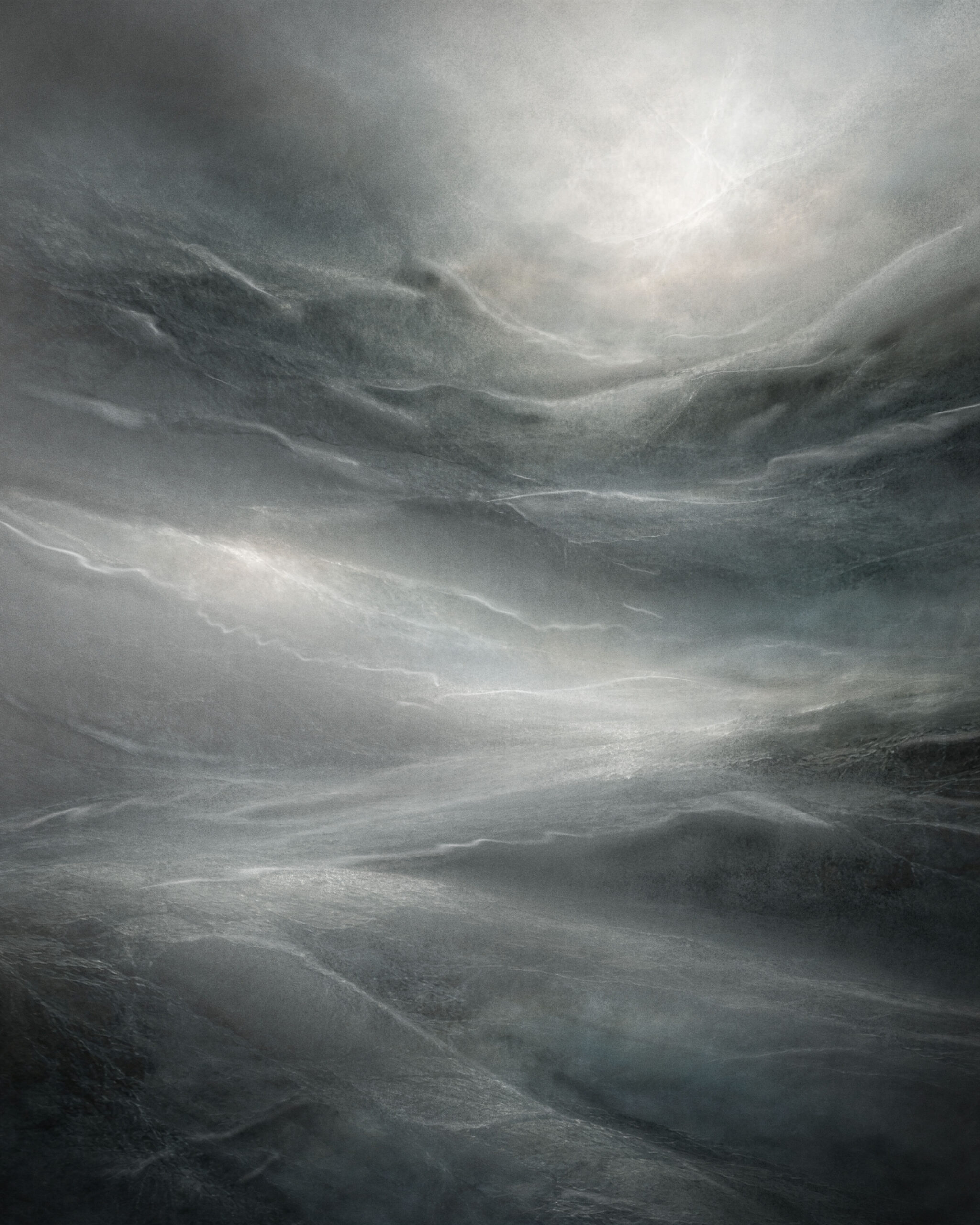
Ephyra abstract digital art featuring layered motion, diffused light, and soft earth tones suggesting an emerging siren form

Ephyra

Ephyra as Abstract Digital Art

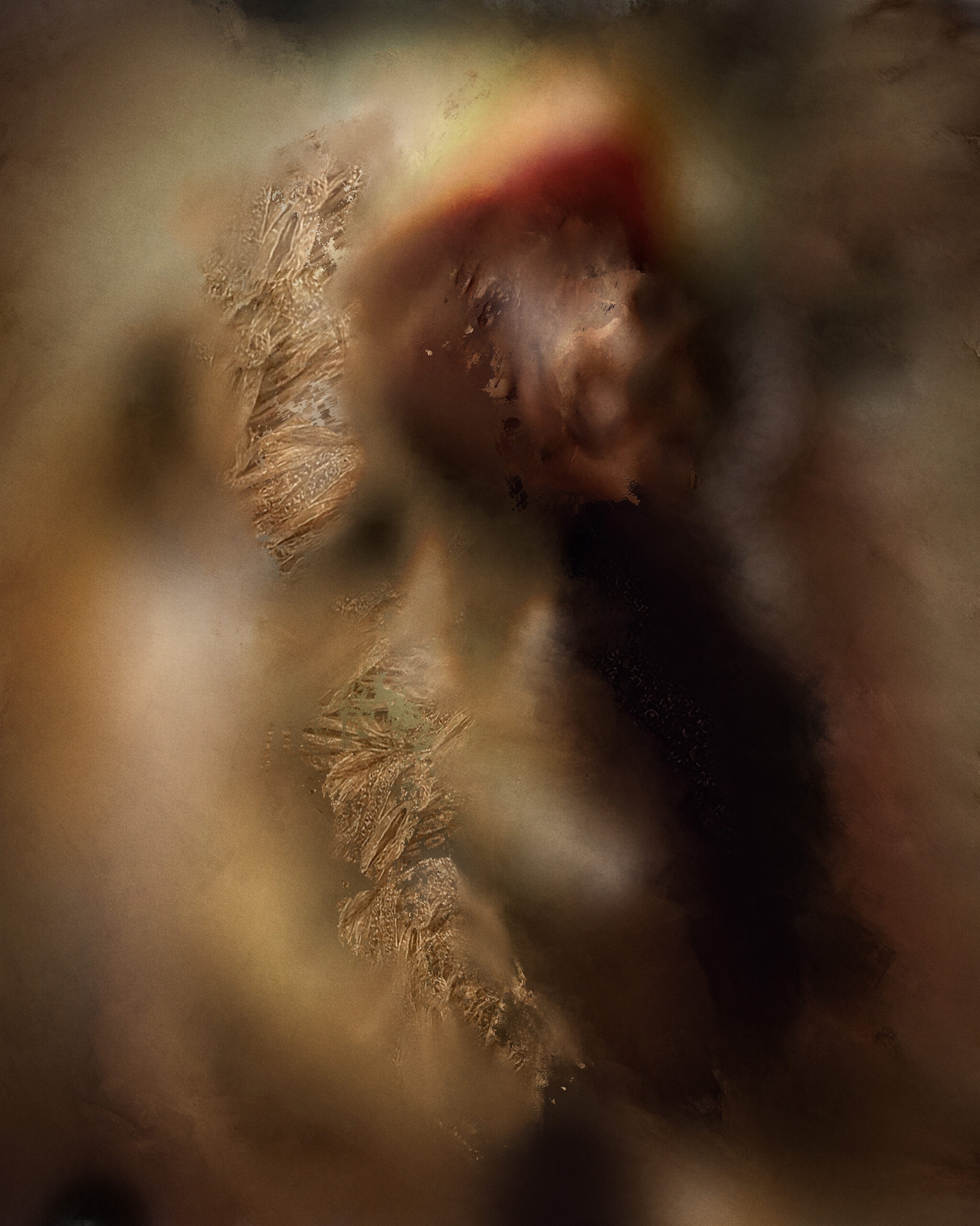
Ephyra abstract digital art is the originating work from which the academic version of Ephyra later emerged. This abstract composition is not conceived as a preliminary study, but as a complete and autonomous artwork that establishes the structural, chromatic, and spatial conditions for figuration within my Siren digital art series.

I always publish the abstract version first, because it defines the visual framework that the academic siren will later condense and refine.

Origin of Ephyra Abstract Digital Art

This piece was developed through a layered digital painting process, focusing on the accumulation of colour, density, and controlled movement. Rather than depicting a subject, the composition organizes forces within the frame, allowing presence to be sensed without being named or illustrated.

The image resists a single focal point. Instead, it relies on internal tension and balance, creating a field where form remains suspended and unresolved.

Composition and Visual Structure

The composition is built around subtle asymmetries and a restrained palette. Colour transitions are intentionally gradual, avoiding sharp contrasts in favour of tonal depth and cohesion. Areas of compression and release guide the eye without imposing a narrative direction.

This structural approach allows the work to function both as a standalone abstract piece and as the source structure for later figurative incarnations.

Digital Process and Print Considerations

Ephyra is produced as a high-resolution digital painting, designed from the outset for fine art printing. I pay close attention to surface continuity, colour interaction, and tonal stability to ensure consistency across different print sizes.

The work maintains clarity at close range while preserving overall coherence when viewed from a distance, making it suitable for large-format presentation.

Relationship to the Academic Version

The academic version of Ephyra is not a reinterpretation of this abstract work, but a condensation of it. The abstract composition establishes the visual logic—balance, restraint, and internal rhythm—that later allows the figure to emerge.

If you would like to view my available works and editions, you can also find my catalogue on Singulart.


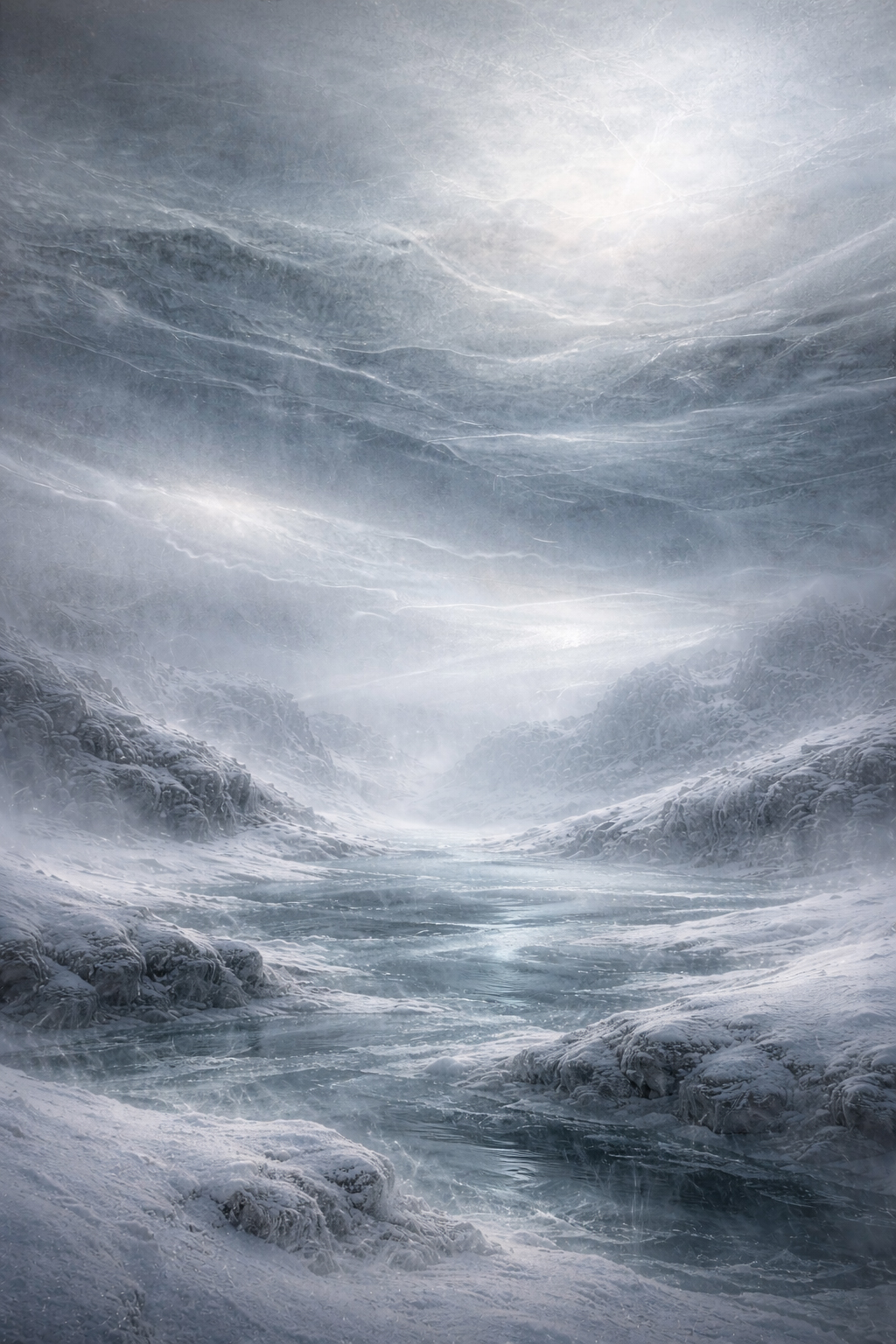
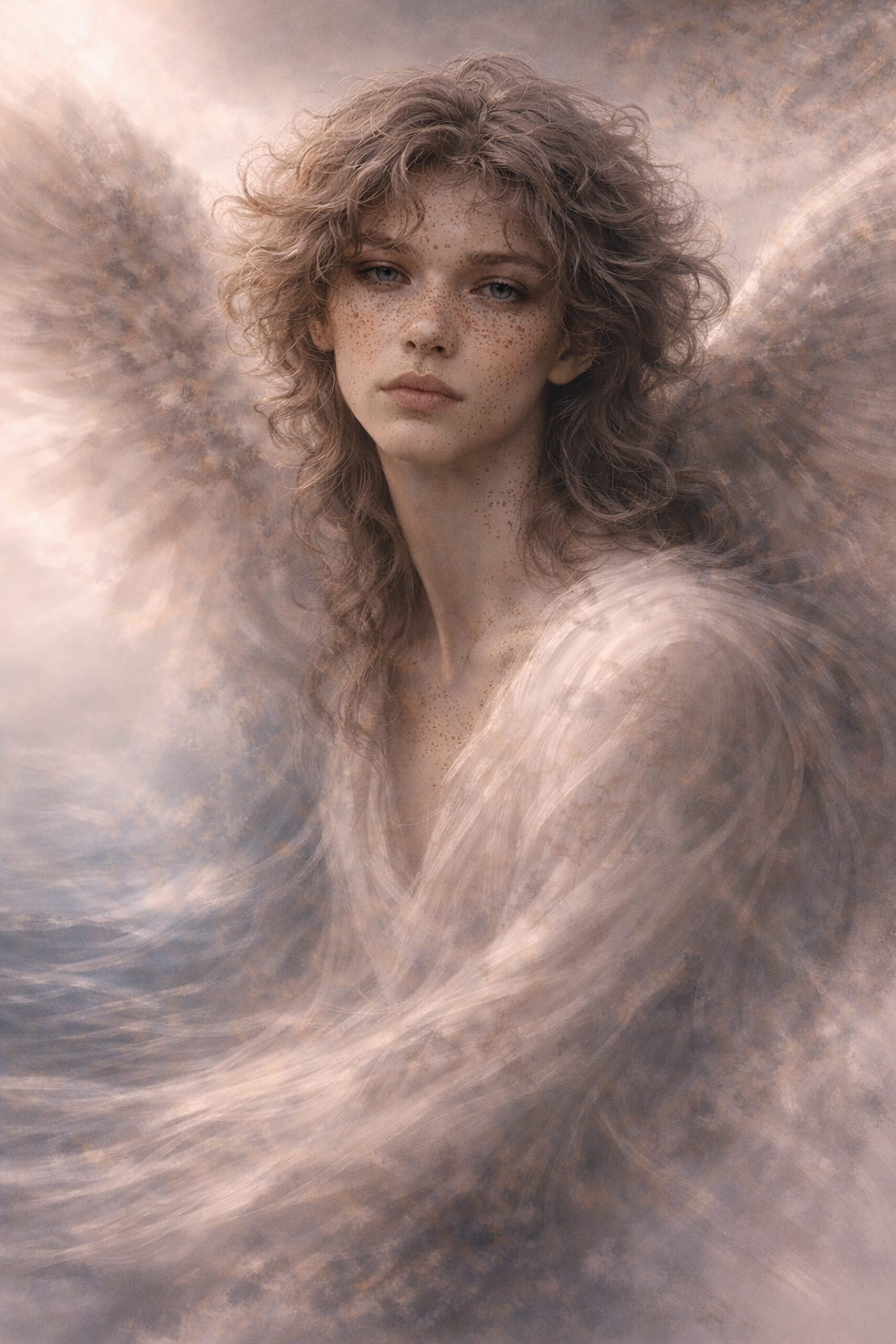
Ephyra academic study depicting a restrained androgynous winged figure developed from the abstract digital artwork Ephyra, rendered with controlled academic light
Ephyra — Study in Academic Light

Recreating an Academic Image

With Ephyra — Study in Academic Light, I approached the academic figure as a disciplined condensation of an existing abstract composition. The goal was not to translate the abstract image literally, but to test how its internal structure could sustain a restrained figurative presence.

The academic version of Ephyra draws on classical principles of balance, verticality, and controlled illumination. Light is used to describe form without dramatization, and the composition remains stable and frontal. Expression is deliberately minimal, allowing the figure to assert presence without narrative or symbolism.

Anatomical decisions were made with restraint. Proportions are slightly elongated to reinforce neutrality and suspension rather than character or identity. The figure remains calm, almost indifferent, positioned between abstraction and representation.

Recreating an academic image requires a precise visual discipline. Light must shape the form without spectacle. Texture must suggest material presence without emphasizing technique. Every element is measured to maintain coherence and credibility.

This study is not conceived as a portrait, nor as a historical reconstruction. It functions as a technical and visual test: how far an abstract composition can be condensed into a figure without losing its structural integrity. The palette, atmosphere, and compositional logic all originate from the abstract version of Ephyra.

In this sense, Ephyra — Study in Academic Light does not stand apart from the abstract work. It exists as a secondary state — a moment where abstraction is slowed down, disciplined, and temporarily held within the figure.


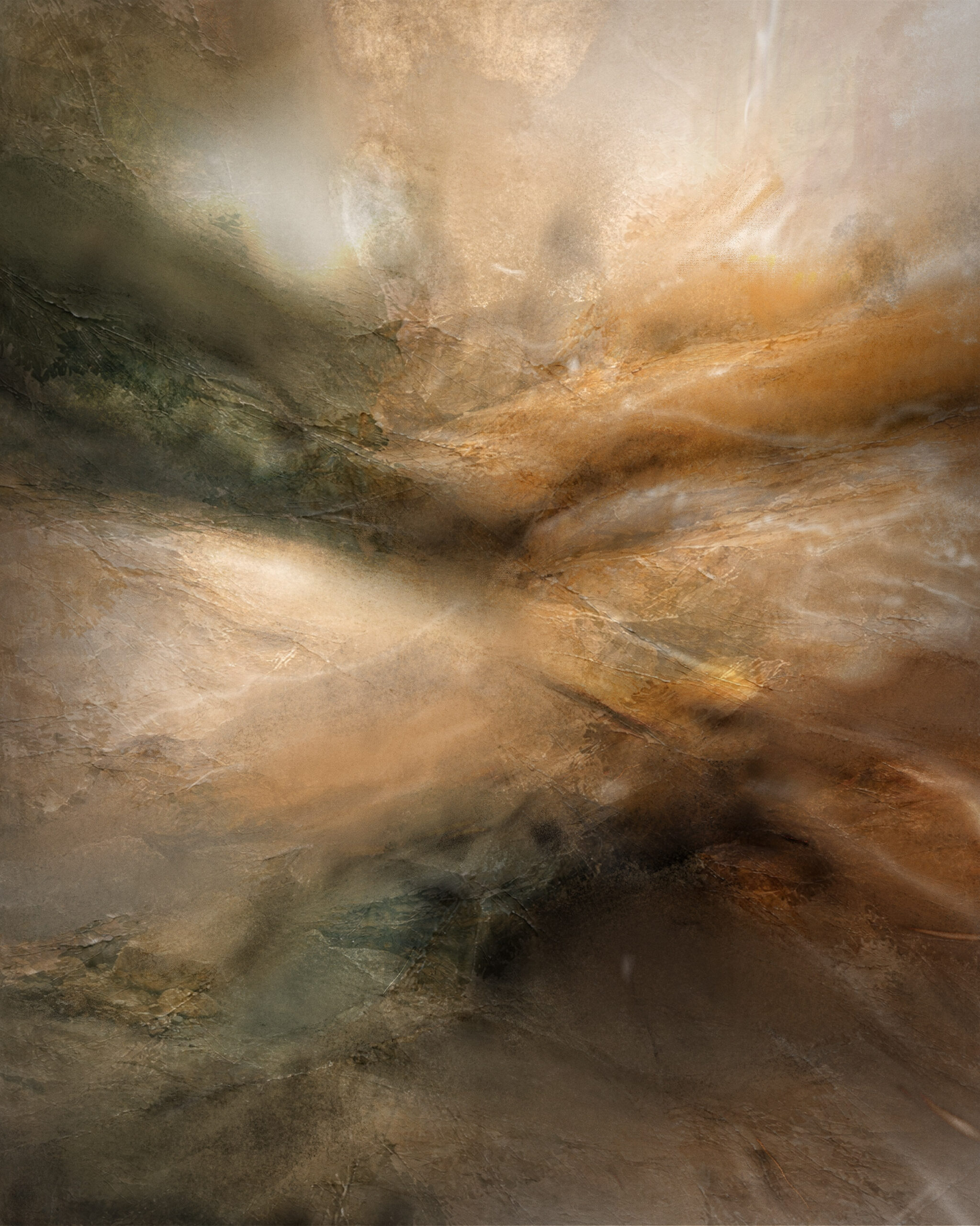
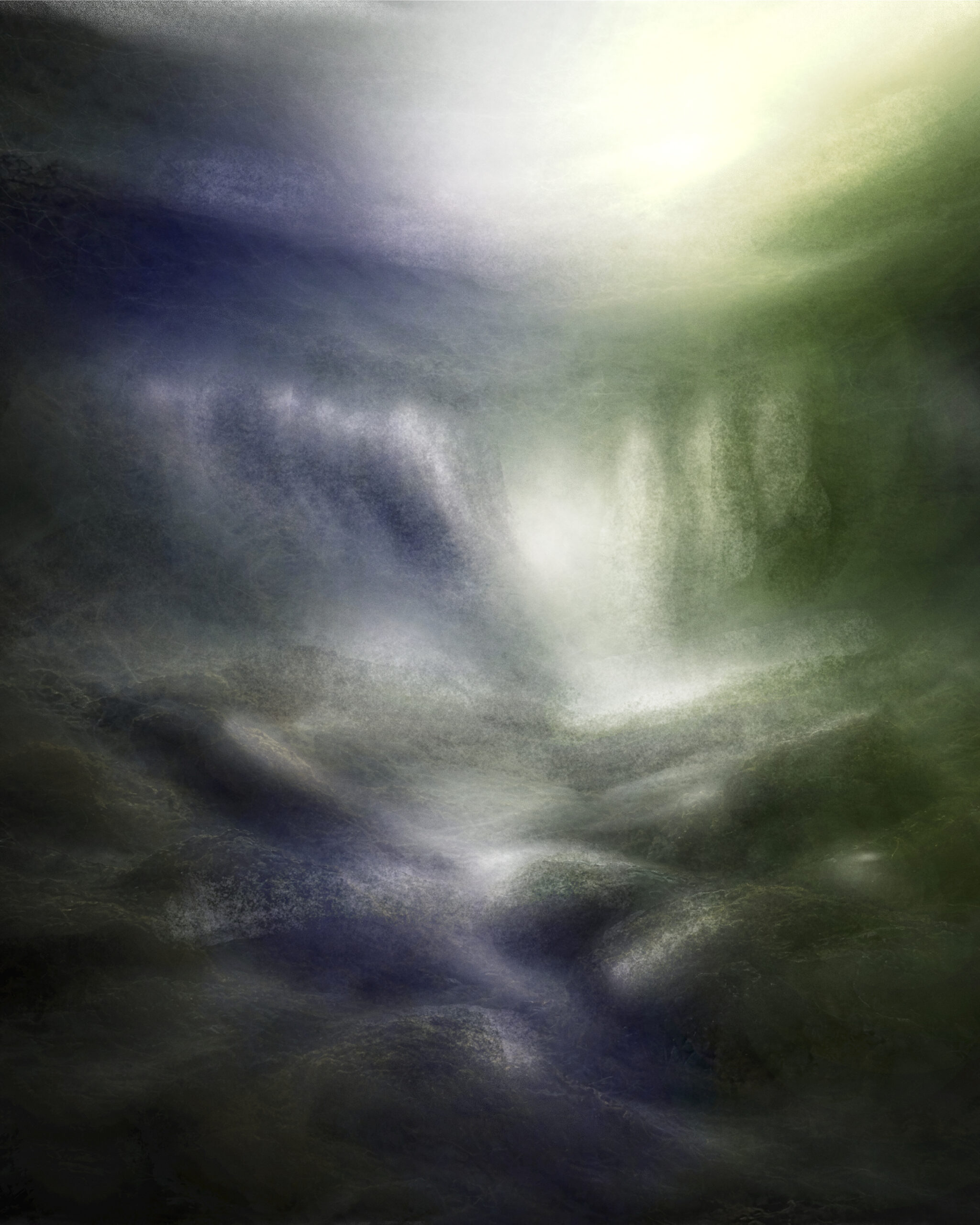
Makena abstract siren digital artwork by Denis Leclerc, exploring abstraction, balance, and visual restraint

Makera

Makena Abstract Siren Study

Makena Abstract Siren is a body of work that explores the siren figure through progressive degrees of abstraction. In this piece, I deliberately step away from representation to focus on pictorial decisions that shape how presence is perceived rather than described.

This work belongs to the abstract continuity of the series, where the siren is no longer defined by anatomy or narrative, but by visual balance, density, and restraint. You can explore the full series here:
https://leclerc-art.com/siren-digital-art-series/

Working Through Abstraction

The objective behind Makena was precise: to suggest abundance without excess. Rather than relying on symbolic elements, I worked through straightforward pictorial techniques — layering, softened edges, controlled diffusion, and reduced contrast. These decisions allow the image to remain visually rich while avoiding illustrative detail.

Each layer was introduced gradually, then partially blurred or reduced, until the composition reached a state where forms are sensed rather than clearly identified. Abstraction is used here as a working method, not as decoration — a way to control how much of the figure is allowed to appear.

Origin and Meaning of the Name Makena

The name Makena has East African origins and is often associated with the idea of abundance or fullness. This meaning directly informed the approach to the work — not abundance as accumulation, but as contained density. The image was developed to convey a sense of visual richness held in balance, where fullness is felt through restraint rather than excess.

Technique and Visual Outcome

Makena was developed as a digital painting, using a process similar to traditional pictorial construction. The image was built through successive passes, with constant adjustments to texture, luminosity, and tonal balance. Contrast was intentionally limited, and sharpness applied selectively, in order to maintain cohesion across the surface.

The result is an abstract siren that holds together through balance rather than detail. The image does not aim for immediate readability, but for sustained presence — a visual field where weight, warmth, and atmosphere remain stable over time. In this Makena abstract siren, abstraction is used as a practical tool to control density, balance, and visual weight.

Position Within the Siren Series

Within the Siren Series, Makena marks a shift toward a more concentrated form of abstraction. The siren is no longer an image to be recognized, but a visual condition to be experienced. This approach allows the series to expand while maintaining coherence between figurative and abstract works.

Makena is also presented on Singulart, alongside other works from the series:
https://www.singulart.com


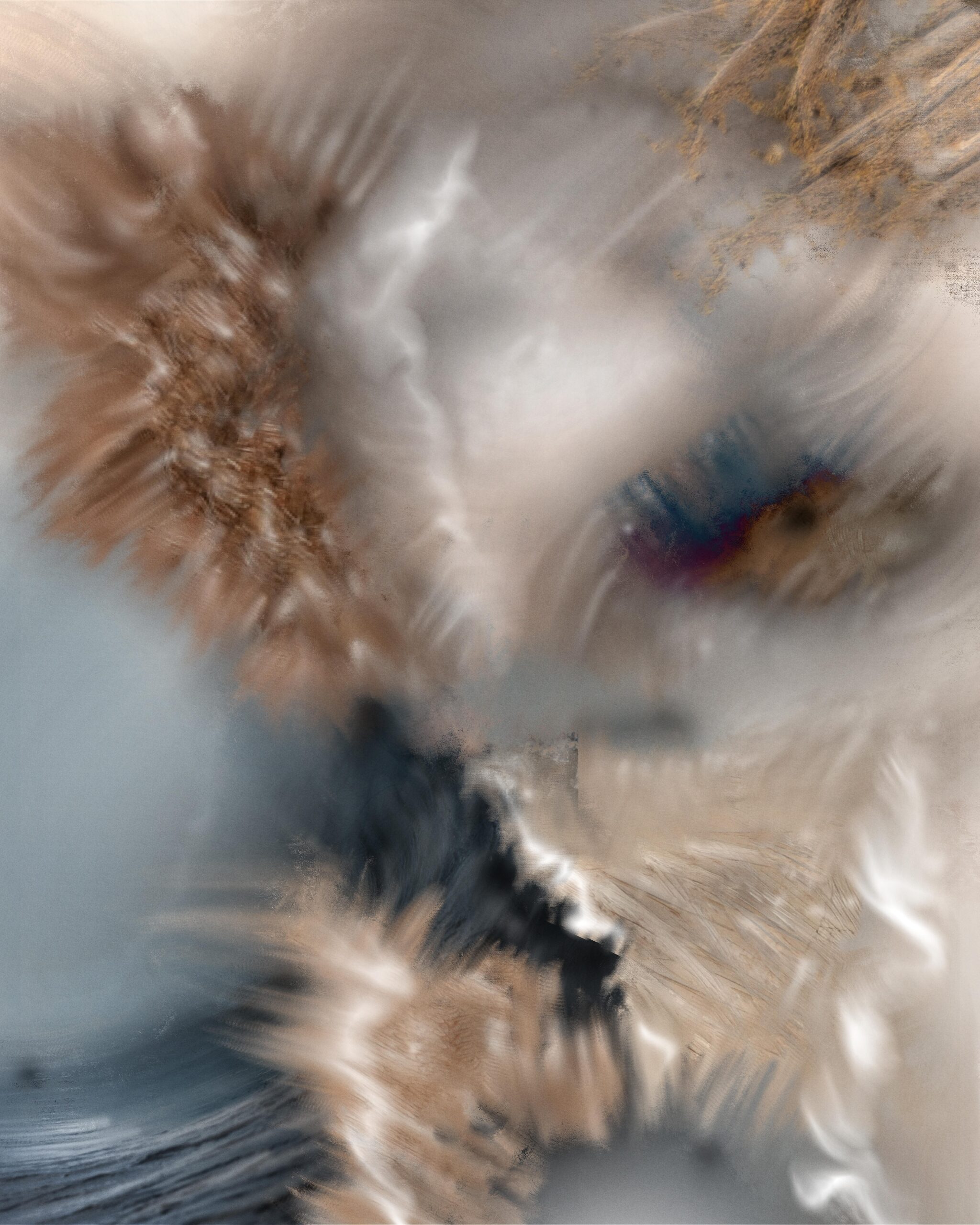
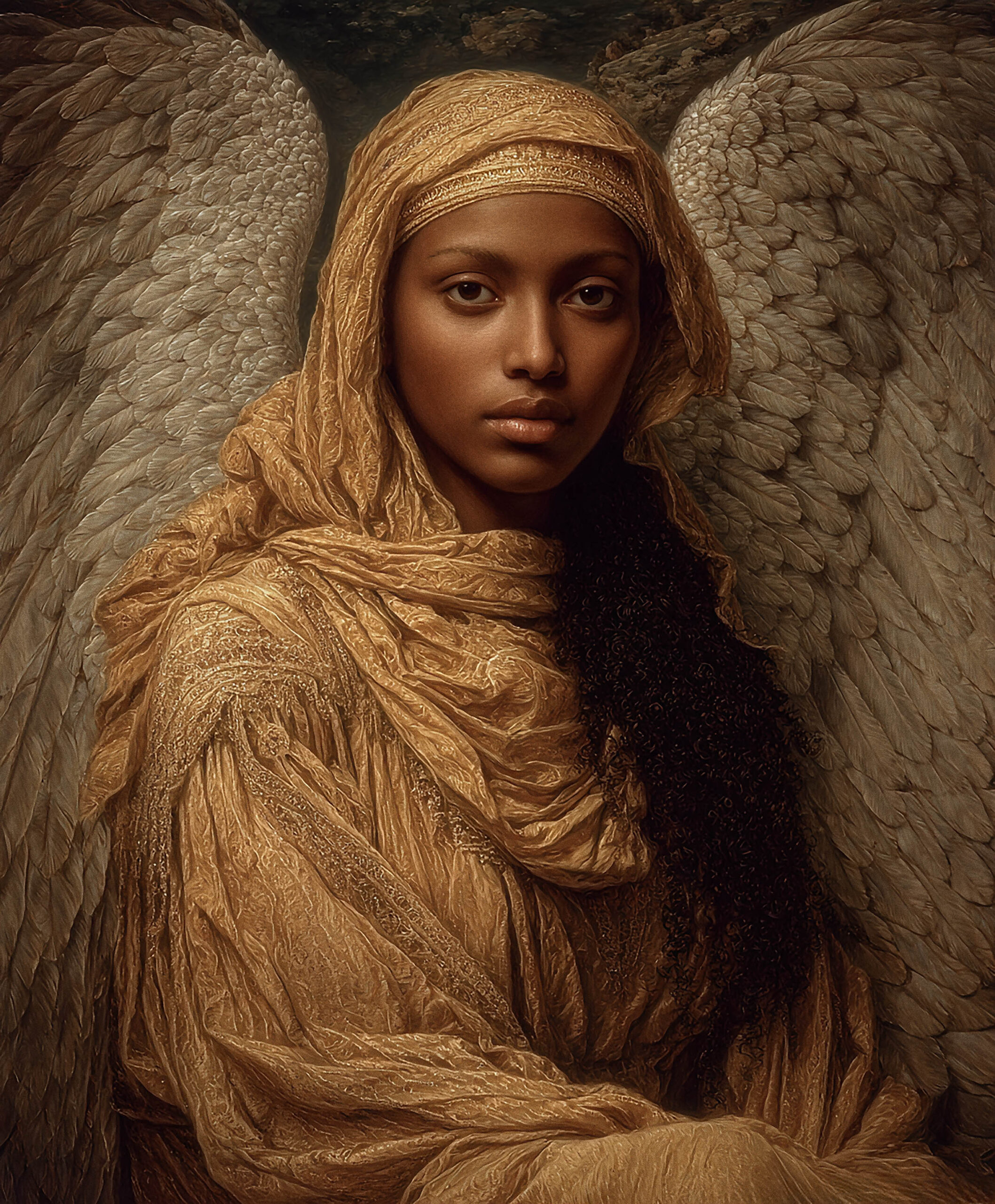
Makena academic study depicting a restrained winged female figure inspired by 19th-century academic light, derived from an abstract digital artwork
Makena — Study in Academic Light

Recreating an Academic Image

With Makena — Study in Academic Light, I set out to recreate the visual discipline of an academic study, not as an exercise in nostalgia, but as a way to test my abstract practice against a historically codified form of beauty.

The figure draws inspiration from the pictorial language developed by 19th-century Orientalist painters, particularly in their approach to light, texture, and the idealized presentation of the female body. In that tradition, beauty was carefully constructed through controlled illumination, stable composition, and a refined treatment of surfaces rather than spontaneous expression.

Here, the focus was on capturing the quiet strength and elegance of an Ethiopian woman while working within the constraints of academic painting. The posture is stable, the expression restrained, and the light deliberately measured. Nothing is exaggerated. Everything is held.

Recreating an academic image requires a specific kind of attention. Light must describe form without dramatizing it. Texture must suggest material presence without calling attention to technique. Balance, calm, and visual coherence are essential to the image’s credibility.

This study was not conceived as a portrait, nor as a historical reconstruction. It functions as a visual and technical test: how far abstraction can be condensed into a figure without losing coherence. The colour palette, atmosphere, and compositional structure all originate from an existing abstract work. The figure emerges afterward, as a disciplined response to that abstract foundation.

In this sense, Makena — Study in Academic Light does not contradict my abstract practice. It marks a moment where abstraction is slowed down, measured against the figure, and refined — before returning to abstraction, informed by the encounter.