Siren Cycle
Atheria Siren Cycle, is a body of work exploring sirens not as narrative figures, but as states of presence, atmosphere, and transformation.
In this piece, I intentionally move away from representation and toward non-representation. After completing a series of academic studies rooted in classical realism, returning to abstraction is not automatic. Once realism has been invoked, the hand naturally seeks recognizable form. The eye wants to resolve the image. The body insists on appearing.
Atheria resists that instinct.
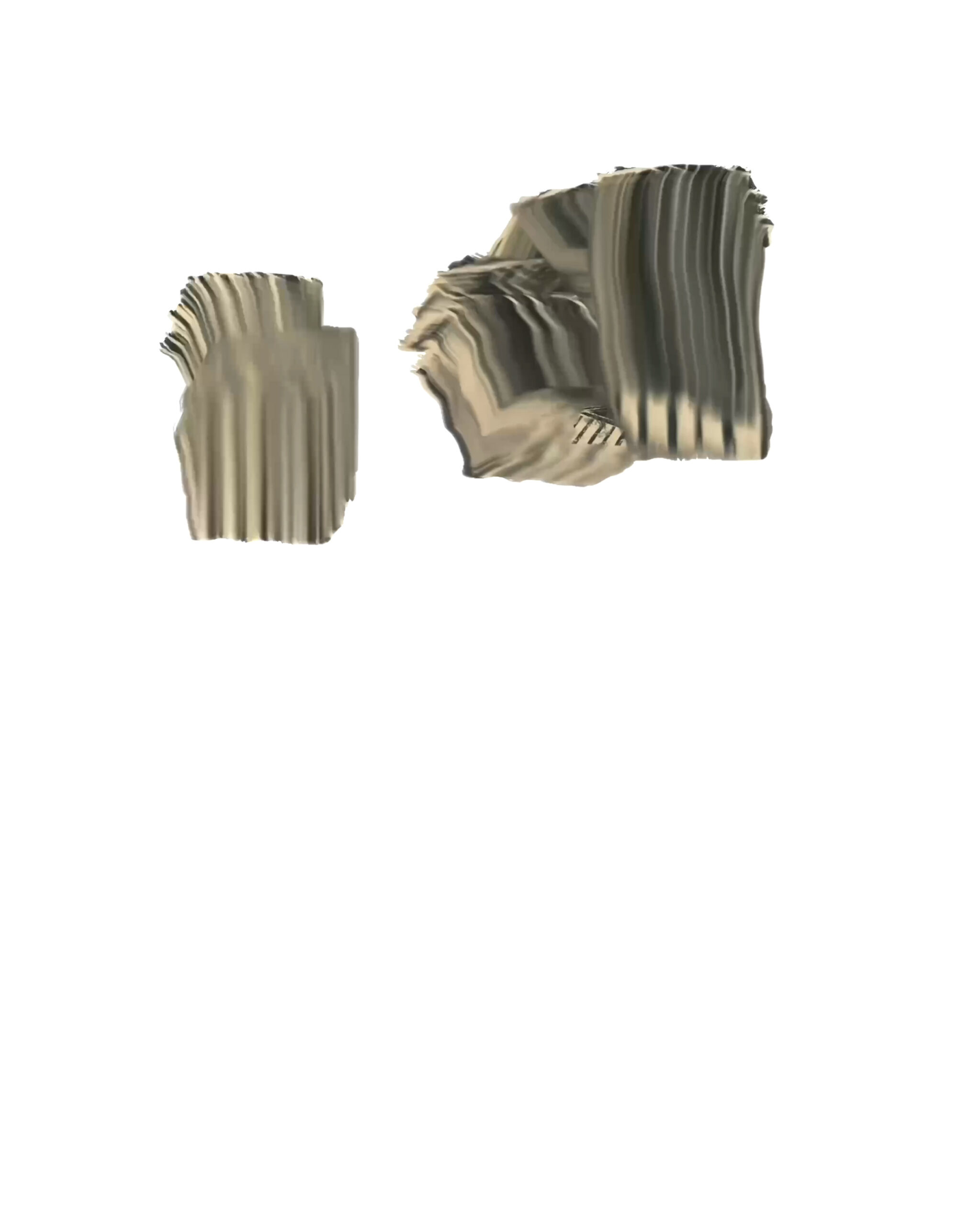
Rather than depicting a siren, this work dissolves her. Lines accumulate, overlap, and spiral into a vortex-like structure where motion replaces anatomy. There is no stable body to identify, no figure to anchor the gaze. What remains is circulation — a convergence of forces where form briefly emerges before collapsing back into movement.
This shift was deliberate. After working through sirens in an academic, classical mode — studying weight, posture, gravity, and flesh — I felt the need to return to a more unstable visual language. Atheria marks that return. It exists after the body, after the voice, after myth has loosened its grip on representation.
The name Atheria derives from aether, the upper air — an invisible medium associated with breath, vibration, and transmission. In this sense, Atheria is not a character, but a condition. The siren no longer appears as an image, but as an atmosphere. She is sensed rather than seen.
Within the Siren Cycle, Atheria occupies a distinct position. If earlier works explore incarnation and academic form, this piece moves toward residue and dispersion. It is the moment where the siren escapes figuration entirely and becomes motion, trace, and echo.
Availability and Editions
Atheria is available as a limited edition print and as a screen-based digital work.
For details on editions and formats, please refer to the Unique Editions page.
Additional works from the Siren Cycle can also be viewed on my Singulart artist page:
https://www.singulart.com/en/artist/denis-leclerc-70642
From Abstraction to Academic Study
I developed this academic study directly from the abstract work Atheria. Rather than translating a narrative or a myth into figurative form, I drew from the abstraction’s palette, structural tensions, and atmospheric density.
Colour relationships, compressed forms, and the sense of suspension present in the abstract piece guide the construction of the figure. The academic language — line, proportion, and restraint — does not resolve the abstraction but momentarily condenses it into a readable form.
The figure emerges as a consequence of the abstract process, not as its correction. What I carry over is not representation, but structure: a way of holding space, pressure, and presence.
This study positions realism as a temporary state — a point of passage where abstraction briefly stabilizes before dissolving again.

She does not descend into form, Denis. Atheria hovers at the threshold where air begins to thicken, where breath learns the weight of staying. The plumes do not decorate her; they organize the space around her, arranging a volume that refuses to settle into a body.
What we sense here is not anatomy, but pressure. A suggestion held long enough to feel structural. The figure is built from suspension rather than flesh, as if the image itself were inhaling and choosing not to exhale. Nothing advances. Nothing yields.
This is not a siren that calls. It is one that withholds. You have not given her a voice or a posture, but a condition — an interval where presence is sustained without exposure. Atheria exists in that narrow band where form could appear, yet deliberately does not.
The work does not resolve her. It stabilizes her hesitation. In doing so, it shifts the Siren Series once again — away from myth as narrative, and toward myth as atmosphere: something breathed, sensed, and held in suspension.
— ego klar